Water Quality

NO WATER NO LIFE

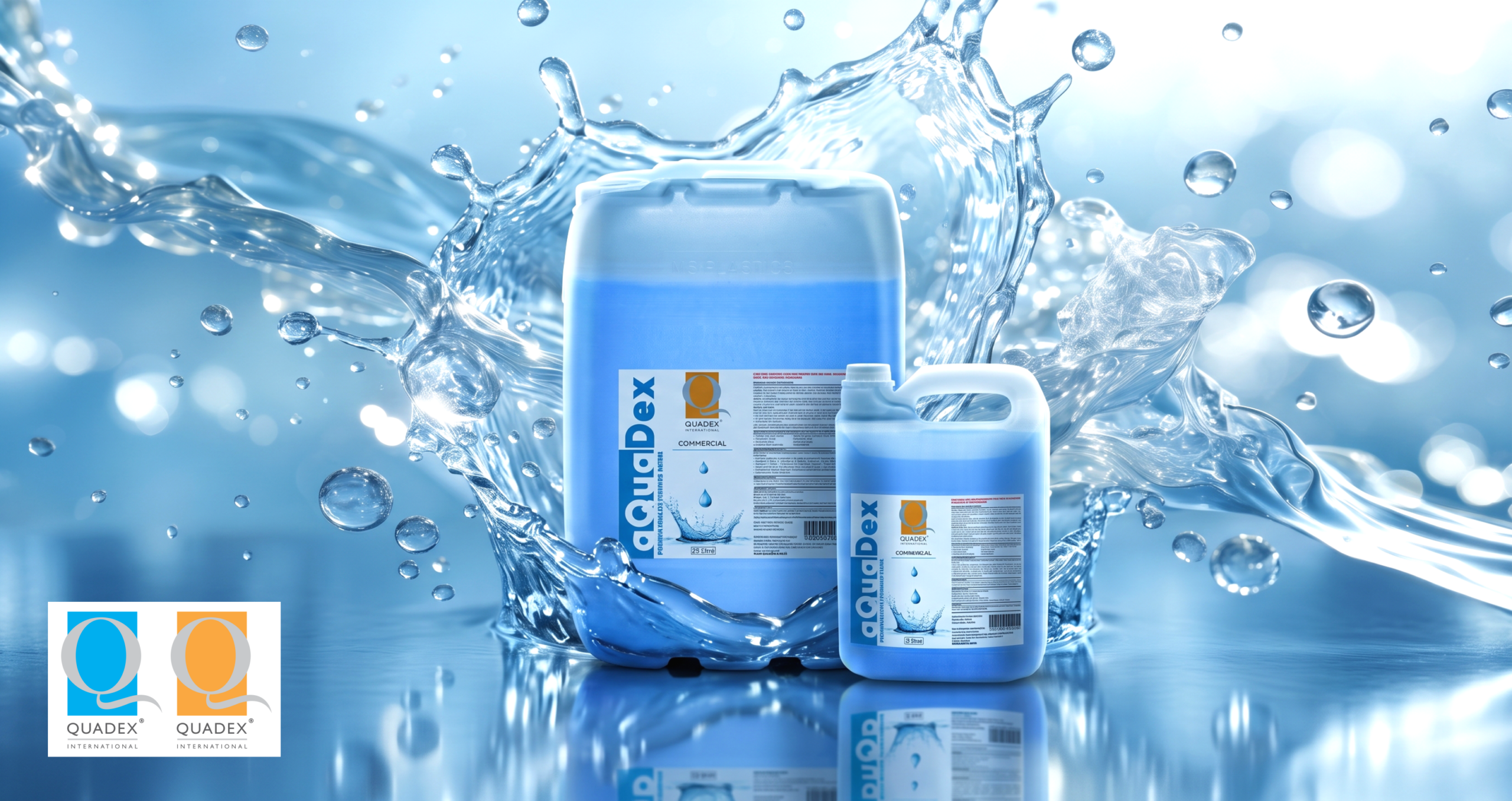
Premium-quality purified water processed through an advanced eight-stage filtration and treatment system to achieve exceptional purity. Specifically designed for commercial, industrial, healthcare, and laboratory applications, it provides an ultra-pure base carrier for blending, mixing, and other critical processes in controlled environments where the highest water quality standards are essential.
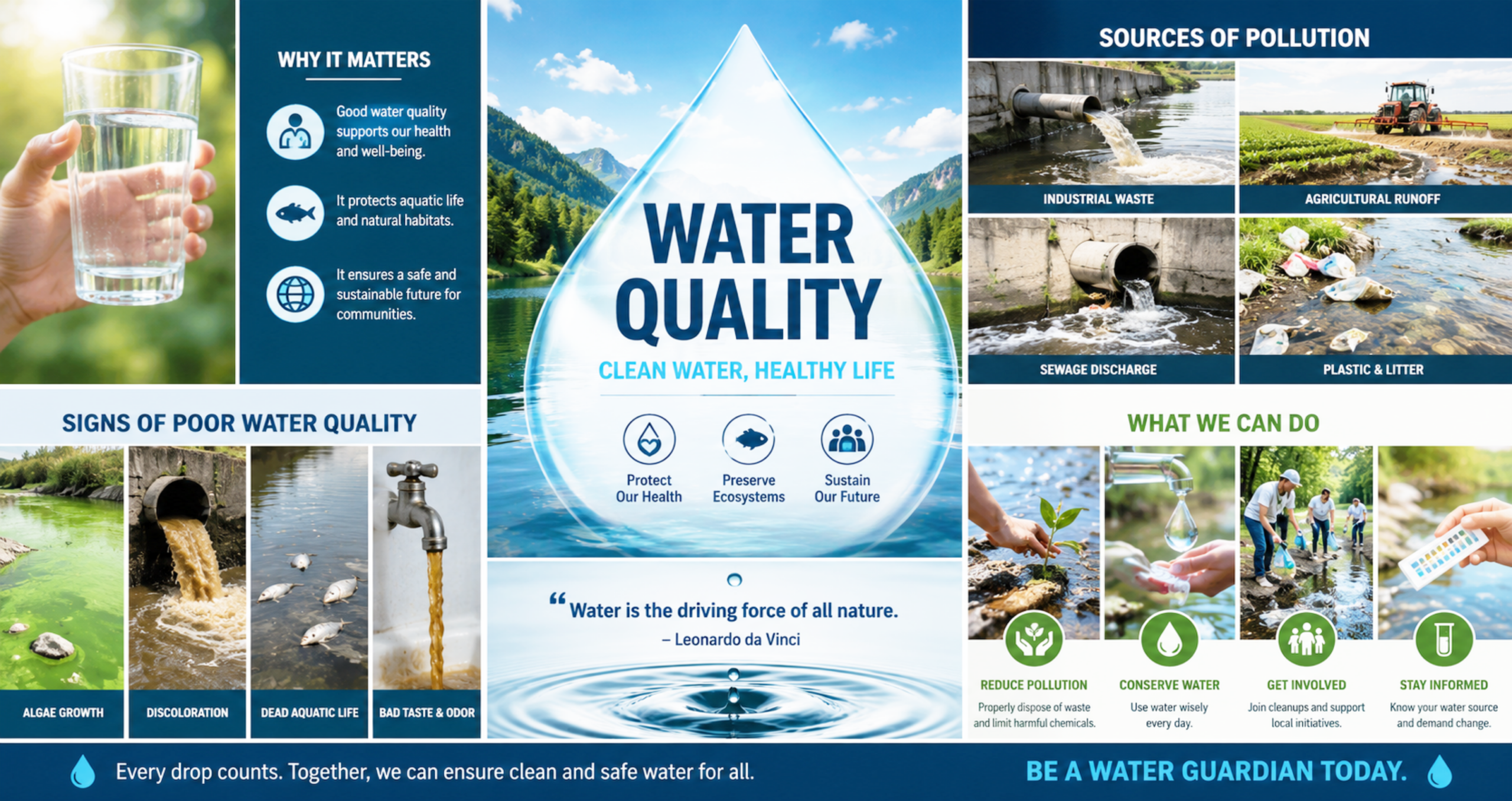
Water quality refers to the chemical, physical, and biological properties of water. It indicates whether a water source is safe and appropriate for particular uses, including drinking, swimming, agriculture, and maintaining healthy aquatic ecosystems.

RO water refers to water that has been purified through the Reverse Osmosis (RO) process. This highly effective filtration method uses pressure to force tap or well water through a specialized semi-permeable membrane. Acting as an ultra-fine filter, the membrane removes dissolved salts, heavy metals, minerals, microorganisms, and various chemical contaminants from the water.

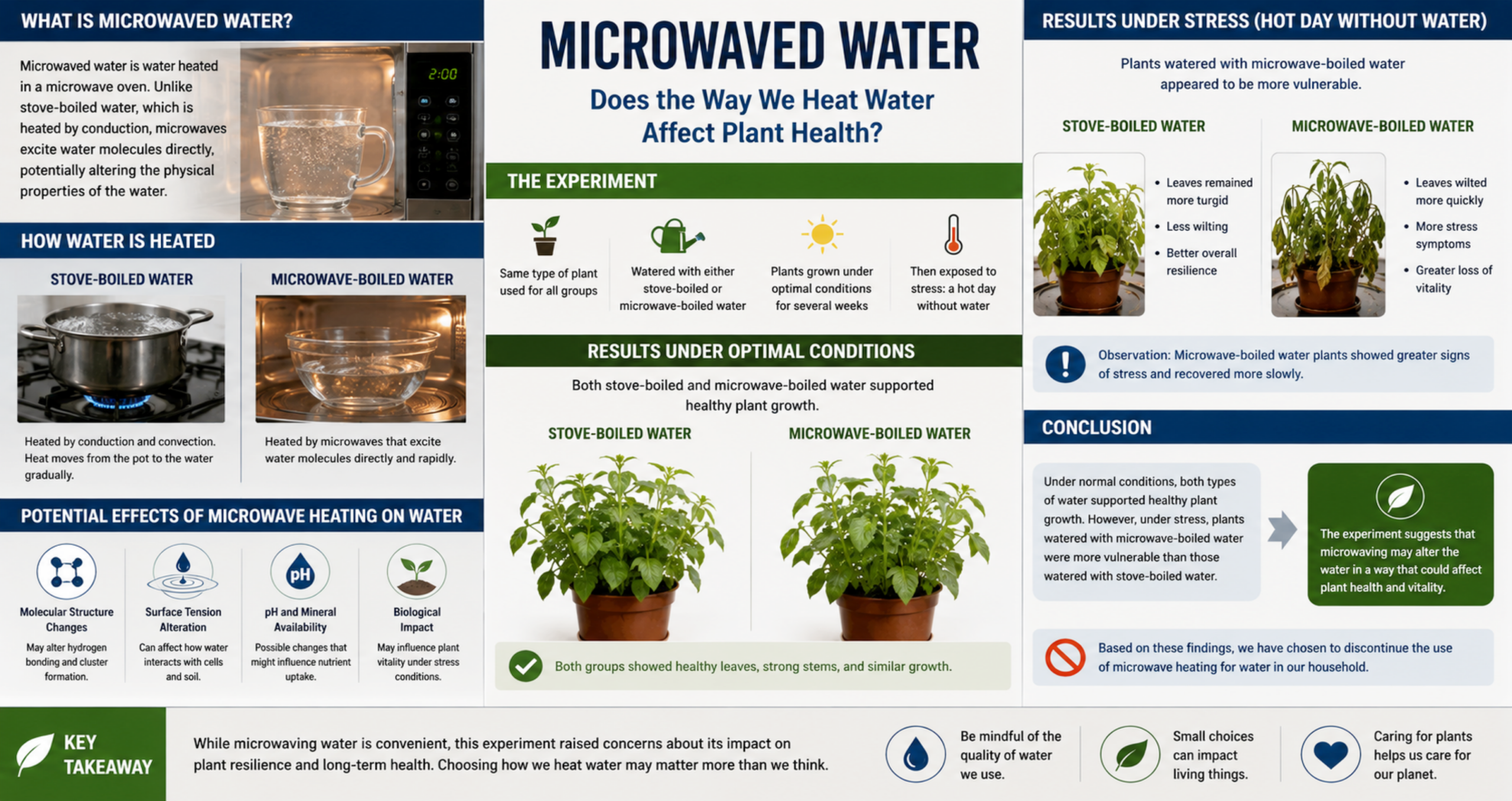
The conclusion drawn from an experiment done on plants was that both stove-boiled and microwave-boiled water supported healthy plant growth under optimal conditions. However, when the plants experienced stress, such as exposure to a hot day without water, those watered with microwave-boiled water appeared to be more vulnerable than those given stove-boiled water.

Based on these observations, the experiment suggested concerns about the effects of microwave heating on water. It was concluded that microwaving may alter the water in a way that could affect plant health and vitality, leading to the decision to discontinue microwave use in the household.

Water contamination occurs when harmful substances pollute water sources, making the water unsafe or unsuitable for cooking, drinking, and other everyday uses. Contamination can result from various sources, including agricultural runoff, industrial chemicals, sewage overflows, and other pollutants. Understanding the signs of water contamination is important for protecting your health and ensuring the safety of your family.

Rainwater harvesting provides an effective way to conserve municipal water resources. In regions where water scarcity is an ongoing issue, collecting and using rainwater can make a meaningful difference. By using harvested rainwater for activities such as gardening, washing cars, and flushing toilets, households can reduce their dependence on municipal water supplies. This helps lessen the pressure on public water systems, ensuring that treated water remains available for essential uses like drinking and cooking.

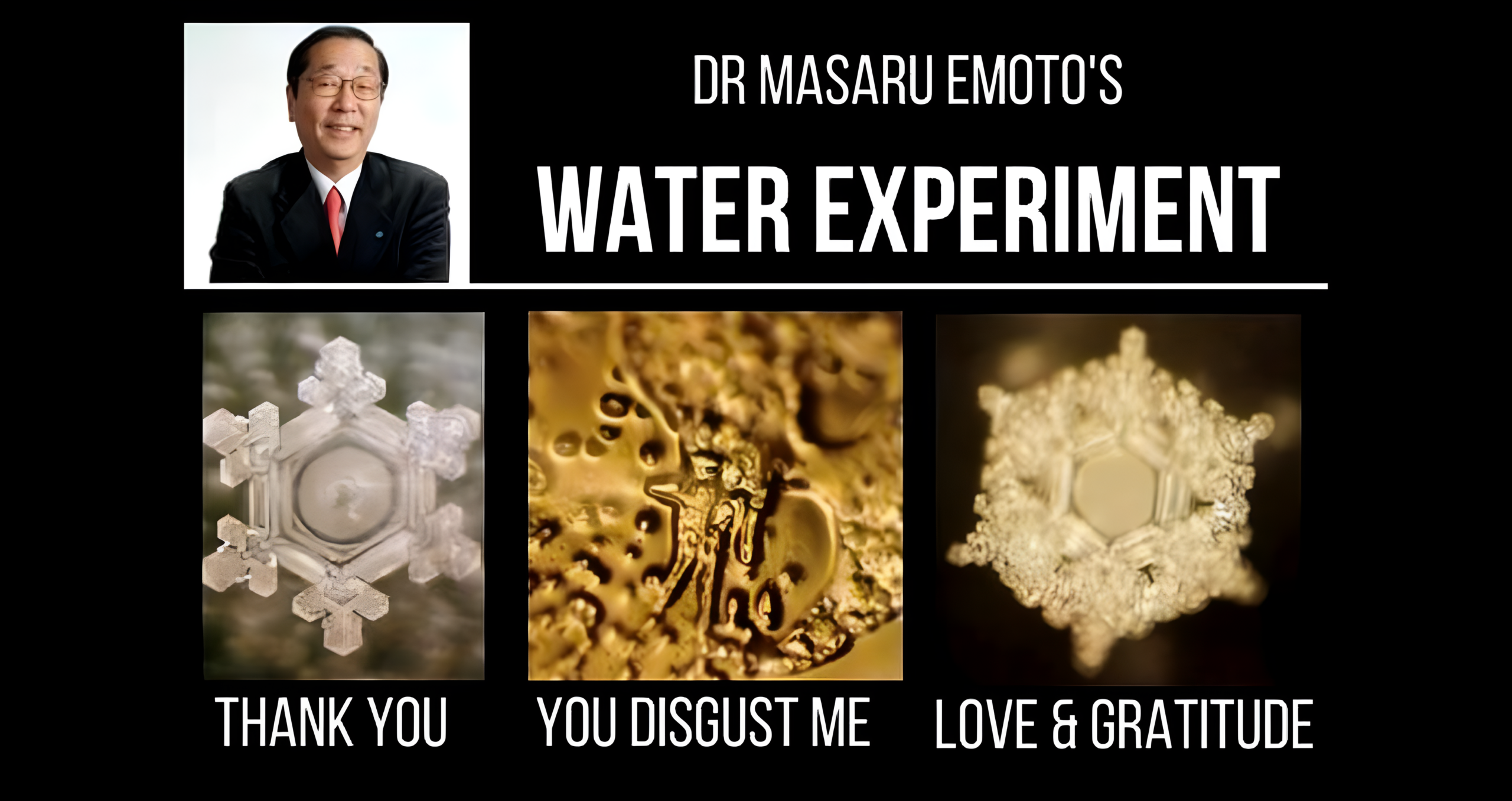
The Masaru Emoto water experiment is a controversial pseudoscientific concept suggesting that human emotions, words, and intentions can physically alter the molecular structure of water.